
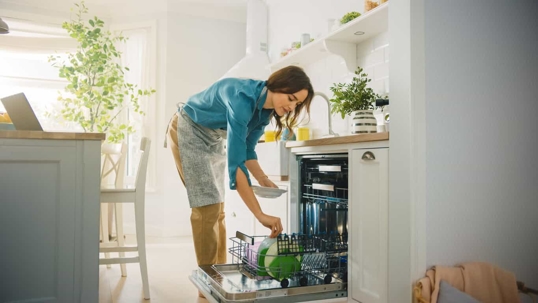
A dishwasher that won’t drain isn’t just an inconvenience—it signals that part of the system isn’t working as it should. Drainage problems can reduce efficiency, waste water, and eventually lead to more complicated appliance repair. By understanding the common causes and troubleshooting tips, you can keep your dishwasher running smoothly and extend its lifespan.
Common Causes of a Dishwasher Not Draining
Several factors can stop a dishwasher from draining properly. Identifying the root cause can save you time, money, and stress.
- Clogged Filter or Drain: Food particles, grease, and soap buildup can block the dishwasher’s filter or drain.
- Kinked or Blocked Drain Hose: The hose that leads from the dishwasher to the sink or garbage disposal can get bent, pinched, or clogged.
- Garbage Disposal Connection Issues: If your dishwasher drains through a garbage disposal, a clogged or improperly installed disposal can prevent proper drainage.
- Faulty Drain Pump: The pump pushes water out of the dishwasher. If it’s broken or jammed with debris, water will remain inside.
- Air Gap Problems: Some dishwashers have an air gap that prevents backflow. If this gets blocked, water may not drain properly.
Checking these areas systematically can often reveal the source of the problem.
How to Safely Inspect Your Dishwasher at Home
Before calling for professional appliance repair, there are a few safe checks you can perform yourself.
- Check the Filter: Remove and rinse the filter at the bottom of the dishwasher. Food and grease can quickly cause clogs.
- Inspect the Drain Hose: Look under the sink to ensure the hose isn’t bent or pinched. If it’s clogged, carefully remove debris or rinse with warm water.
- Examine the Garbage Disposal: Run the disposal to clear any blockages. Make sure the knockout plug is removed if the dishwasher was recently installed.
- Look for Visible Debris in the Air Gap: If your dishwasher has an air gap on the sink, remove the cap and check for clogs.
These steps are safe for most homeowners and often resolve simple drainage issues.
When to Call a Professional Appliance Repair Technician
Sometimes, troubleshooting at home isn’t enough. Certain problems require the expertise of a trained technician.
- Drain Pump Malfunction: If the pump isn’t spinning or is damaged, it needs professional repair or replacement.
- Electrical or Motor Issues: Problems with wiring or the motor can prevent proper drainage and require specialized tools.
- Persistent or Recurring Clogs: If you’ve cleared the filter and hoses but the dishwasher still won’t drain, a technician can diagnose hidden blockages.
Calling a professional early can prevent small issues from turning into more costly repairs.
Maintenance Tips to Prevent Future Drainage Problems
Preventing drainage problems is easier than fixing them. A few simple habits can help keep your dishwasher running smoothly:
- Rinse Dishes Before Loading: Scrape large food pieces off plates to reduce debris in the dishwasher.
- Run Hot Water Before Starting: Running hot water in the sink helps the dishwasher start with warm water, which can improve drainage and cleaning.
- Clean the Filter Regularly: Rinse the filter once a week to prevent buildup.
- Check the Air Gap and Drain Hose Periodically: Make sure nothing is blocking water flow.
Regular maintenance reduces the chances of standing water and keeps your appliance working efficiently.
Keep Your Dishwasher Draining Smoothly
A dishwasher that won’t drain doesn’t just create standing water—it can lead to bad odors, poor cleaning, and eventually bigger appliance problems. By checking the filter, drain hose, garbage disposal, and air gap, many homeowners can resolve minor issues at home. For more complicated problems like a faulty drain pump or motor, professional appliance repair is the safest and most reliable option.
Don’t let a clogged dishwasher ruin your kitchen routine—reach out to Affordable Appliance Repair for expert appliance repair! Book a visit online or call (480) 914-3381 for friendly, professional service.